
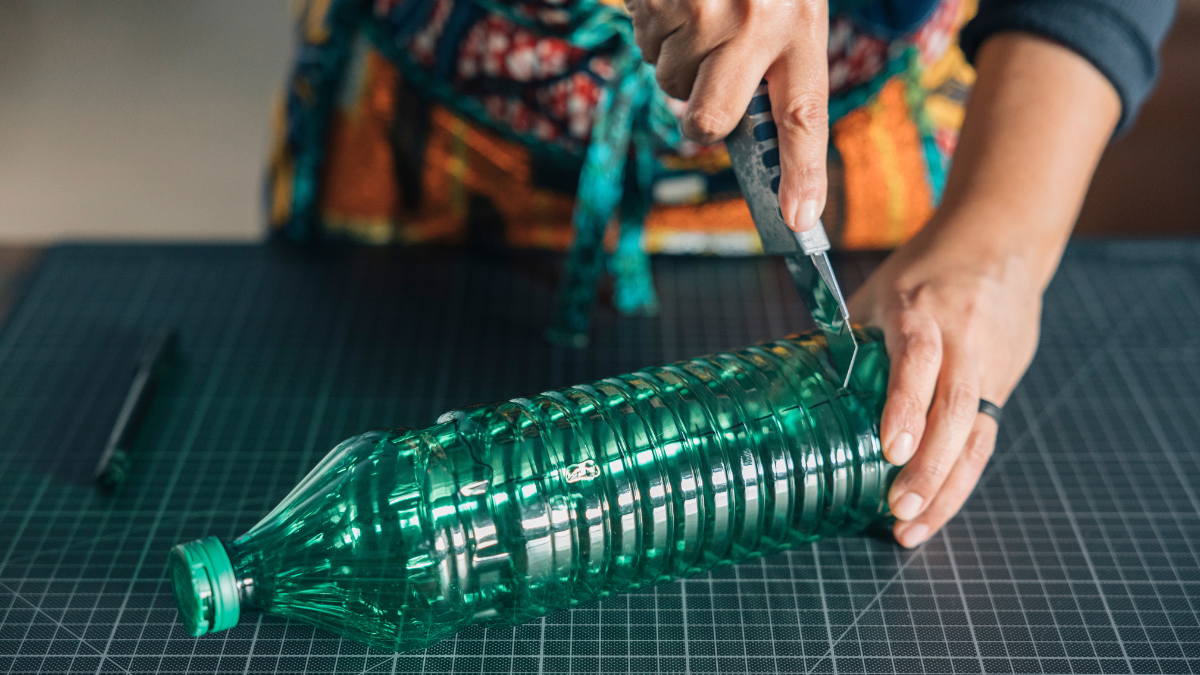
Upcycling is all about taking items that no longer serve their original purpose and turning them into something useful again.
It brings the idea of “one person’s trash is another person’s treasure” to life.
There are endless ways to repurpose old plastics, cardboard, glass, fabric, furniture, and more. As you practice, you’ll start to recognize materials that still have plenty of life left in them. You can enjoy the creativity of making something new while also rescuing items that might otherwise be tossed.
When you upcycle, you’re usually giving an object a completely different job than it originally had. Instead of repairing it to use as before or simply throwing it out, you transform it into something entirely new.
Like any creative hobby, the best way to start is to jump in and experiment. There’s no perfect process, and mistakes are simply part of the learning experience.
If you want a few simple ways to begin turning discarded items into fresh creations, try the tips below.
Train Yourself to Spot Hidden Potential
A key part of upcycling is learning to see what others might overlook. Someone else may notice a holey t-shirt, a chipped bottle, or a worn wallet and think it’s useless—but you might see quality cotton, beautiful glass, or sturdy leather.
Recognizing what can be reused is a skill in itself.
The value of an item may lie in its raw materials, its unique style, or even its sentimental qualities. Good upcycling means looking past an item’s current condition and imagining what it could become. Before tossing something out, take a moment to consider if it has another purpose waiting to be discovered.
Don’t Be Scared To Try New Things
One big advantage of using materials you’d otherwise discard is that there’s little worry about ruining them.
Traditional crafting can feel intimidating because mistakes can be expensive. But when you’re working with items that were destined for the trash, there’s no pressure if an idea doesn’t work out. At worst, it goes right back to the waste bin.
There’s always more to repurpose, so explore different projects and see where your creativity leads.
Rethink What “Disposable” Really Means
Many products are designed to be quickly used and tossed aside:
- Food and shipping packaging
- Plastic bags
- Beverage containers
- Single-use plates and utensils
While many disposable items are flimsy, others have plenty of value left in them. Glass jars, cans, and certain plastics are perfect examples of objects that can easily take on a second life.
Sometimes upcycling can even help reduce future waste. For instance, scraps of fabric can become reusable tote bags that eliminate the need for disposable grocery sacks.
Shop With the Future in Mind
You can support upcycling long before materials reach the end of their initial use.
Plenty of modern products, especially clothing and electronics, aren’t built to last, making them harder to repurpose later. But when you choose better quality items, even if you buy less overall, you’ll have more opportunities to reuse them down the line.
Thrift stores like Goodwill are great places to find durable, affordable goods with long lifespans, giving you even more to work with when you’re ready to upcycle.
Read More:
- 13 Creative and Frugal Hobbies
- 34 Creative Birthday Celebration Ideas for an Awesome Time (No Matter What You Enjoy)
- How To Make Homemade Playdough in 3 Easy Steps
