
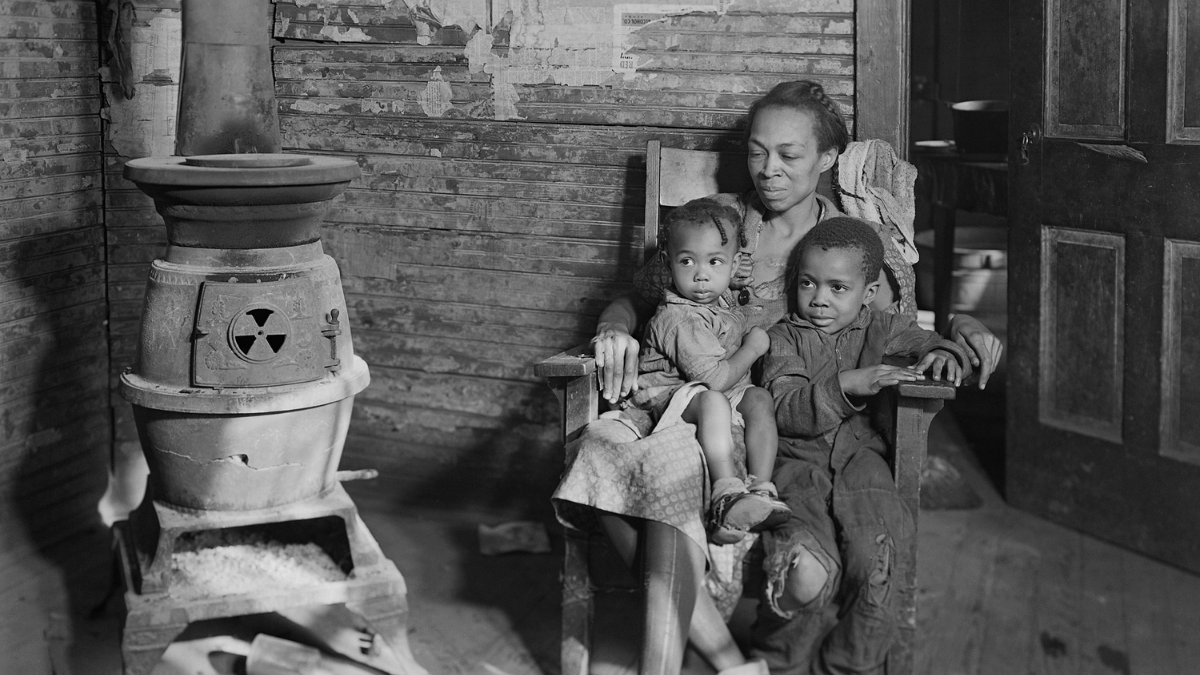
The Great Depression was a hard time, and many people struggled a lot. It was also a time of ingenuity and some hard money choices.
There are a lot of Depression-Era money rules that still quietly work, and you can try them today.
Preserve Food by Canning, Freezing, or Drying
When you’ve grown or bought fresh food in abundance, don’t let the extras go to waste. Preserving food helps stretch your grocery budget and ensures you have meals ready when it’s no longer in season.
Canning, freezing, and drying are all simple ways to make the most of what you have and reduce trips to the store later on.
Use Leftovers
Are you in the habit of throwing out leftovers? Kick the habit and start planning around them.
Leftovers can become tomorrow’s lunch, a quick dinner, or even the base for a new meal like soups, casseroles, or stir-fries. Using what’s already cooked saves time, money, and food.
Repair Clothes and Other Items
During the Depression, items were used for as long as possible.
Instead of replacing things at the first sign of wear, mend them. Sewing a button, fixing a small tear, or repairing household items can extend their life by years. Small fixes add up to big savings over time.
Make Your Own Cleaning Products and Other Household Items
It’s often less expensive to make cleaning products using simple ingredients you may already have on hand, like vinegar, baking soda, or dish soap.
Homemade cleaners can work just as well as store-bought versions and may be gentler on your home.
Making your own items also helps cut down on packaging waste.
Barter and Trade With Others
Get things the old-fashioned way by trading with others. You likely have skills, items, or extras that someone else needs.
In return, you can receive goods or services without spending cash. Bartering builds community while keeping more money in your pocket.
Borrow Instead of Buying When Possible
There are many things you can borrow from the library, friends, or neighbors instead of buying new.
Tools, books, kitchen gadgets, and even equipment for special projects are often used only once or twice. Borrowing saves money and keeps clutter out of your home.
Take Shorter Showers
Both water and power are involved every time you shower.
Keeping showers shorter helps lower utility bills without sacrificing cleanliness. Even trimming a few minutes off each shower can lead to noticeable savings by the end of the month.
