
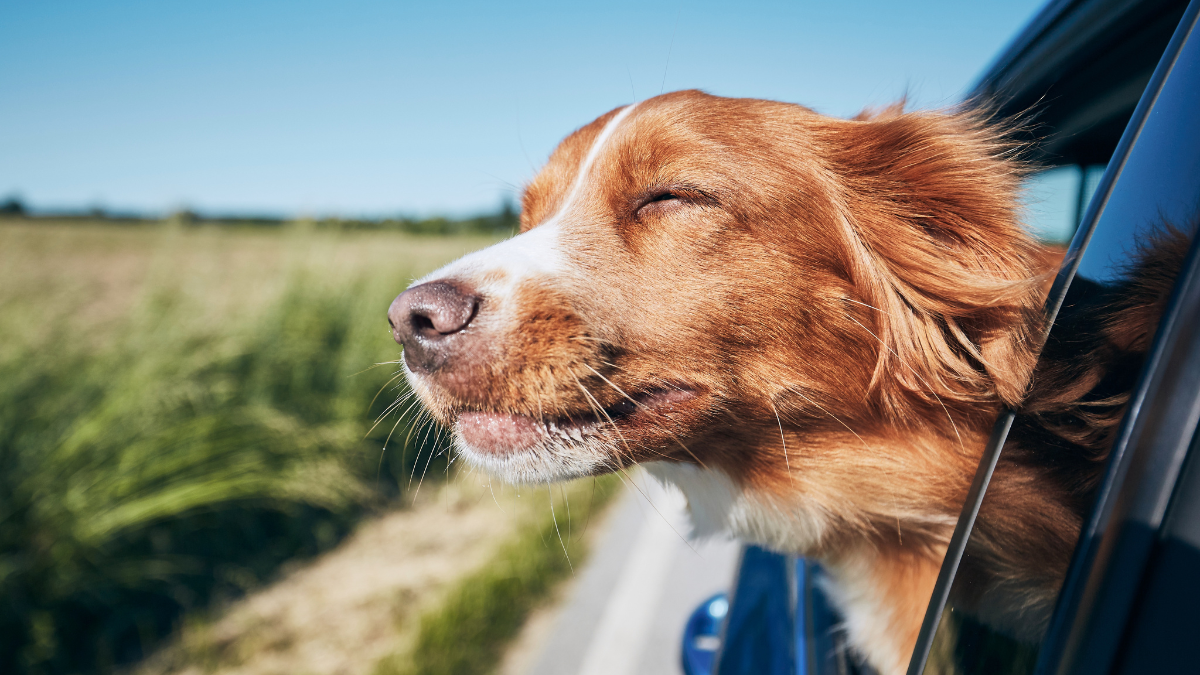
Dogs make life better, but the real cost of owning a dog can sneak up on even seasoned dog lovers. The expenses can seem like they come out of nowhere and leave you frustrated and overwhelmed.
It may feel like such a small and unimportant decision to skip or delay things like dog training. But when that decision turns into hundreds or even thousands of dollars in avoidable bills, you learn a hard lesson.
Those sweet puppy dog eyes may say take me home, but they’ll never tell you about the hidden costs of adding a pup to your family. I was even caught off guard by some of my dog Henry’s pet expenses.
Thankfully, even if you feel blindsided by your pup’s bills, there are fixes to the money leak. The solutions save you money, but they don’t cut pet care. Henry has approved, and I’m certain your dog will as well.
The Biggest Hidden Dog Costs Most Owners Miss
The cost of owning a dog generally falls into a few categories. These include:
- Behavioral issues
- Veterinary care and medical bills
- Home damage
Even if you have made expensive dog mistakes, don’t fret! You can still right the hidden dog expenses ship.
Behavior Dog Problems That Quietly Drain Your Wallet
Sometimes a pet parent will ignore dog behavior issues, thinking that their buddy will “grow out of it” or “settle down” in time. That can be true with some issues.
But when simple daily routines are skipped, it can fester into a big problem and a bill later.
An untrained, bored buddy often leads to more stress and higher dog costs.
Not Exercising Your Dog Daily
Letting a dog burn off energy means they are less likely to seek their own entertainment, which means fewer destructive behaviors.
Exercising your dog daily also keeps joints, organs, and brain activity healthier, and veterinary costs lower.
The Fix:
Your dog’s breed, age, and health will determine how much exercise is needed daily.
It doesn’t have to be miles of hiking daily. It just needs to be regular and routine.
Daily habits are best when they are simple, both for your pup and you.
Dogs thrive on routine.
Think of daily exercise as:
- Dog walking, including sniff walks
- Fetch playing time
- Chasing
Even if it’s a rainy day, you can use simple ideas, like these indoor dog activities, to keep your buddy entertained and exercised.
Quick Fix For Busy Days:
If you don’t think you have the time to exercise your dog, then break up play sessions into 10-15 minutes a few times a day. My dog, Henry, does well with breaking up walks throughout the day.
I realize that life happens, and some days are too busy to add a walk to your schedule. This is when you call for backup. It’s always cheaper than replacing your favorite chair. Don’t be shy about taking help from:
- Dog walker
- Friend or family member
- Doggy Daycare (this is by far Henry’s favorite)
Not Engaging Your Dog’s Mind
Keeping your dog’s mind active is simple to overlook. These hidden dog expenses can lead to shockingly high medical and destruction bills.
The Fix:
It doesn’t take much more to engage your dog’s mind effectively. Consider:
- A lick mat (a frozen lick mat increases the time your dog licks)
- Purchased puzzle dog toys, which are affordable
- Snuffle mat or homemade snuffle ball
- DIY mental stimulation, such as a towel rolled with cookies
When your pup’s brain is engaged daily, you are keeping your buddy entertained and cognitively healthy. That means fewer future veterinary care costs and home damage expense bills.
A dog can get more tired from a short mental stimulation session than from an hour of hiking. That’s gold for your dog money tool box!
Skipping Basic Obedience Dog Training
If you are tight on finances or time, you might think that bypassing training is the answer. But a lack of dog training can lead to issues such as:
- Destroy belongings from your dog not knowing boundaries
- Your dog escaping with no recall training
- Liability bills for hurting someone while jumping
- Poisoning from counter or garbage surfing
The Fix:
Training your dog takes consistency, not hours of training.
Short training sessions are always better than trying to cram everything into an hour or more.
Breaking training into smaller sessions keeps your dog engaged and doesn’t overwhelm you. Easier is better in this case.
If you’re avoiding training your dog because of the cost, then check out free online options. They are plentiful and very helpful.
Teaching your dog the basics is good for your pup and protects your wallet from unexpected hidden dog expenses.
Everyday Habits That Turn Into Expensive Dog Problems
Sometimes, a dog owner will skip steps simply because it’s easier or is viewed as not really being needed.
Not Dog-Proofing Your Home
Sometimes the thought of adding another task to your to-do list is too much to think about.
So, you may look around your home and think that it’s “fine”. But when you have a dog with a health issue or a puppy, fine might not be good enough.
A puppy is curious about everything. That means those cords you think are fine can be chewed. That unsecured bookshelf you think isn’t an issue can be climbed, and your treasured signed Mickey Mantle baseball destroyed.
If you have a senior dog, a blind dog, or a pup with a medical issue, you need to take more precautions. Stairs can be a hazard for some furry friends.
The Fix:
Get at your dog’s level and look at what your dog can get into in each room. Remove breakable items.
Also, look at your home from your dog’s perspective. That means if your dog is arthritic or blind, consider that into your dog-proofing.
Baby gates or dog gates can be very helpful in making your home more dog-friendly.
Not Giving Your Dog Enough Potty Breaks
Your dog shouldn’t be expected to hold it all day. How long your dog can be left without a potty break will depend on your pup’s age, breed, and health.
But in general, you don’t want to leave your dog without a break for more than four hours. If you do it can lead to kidney, urinary, and behavioral issues, such as separation anxiety, potty accidents, or aggressive behavior problems.
Making your dog go too long without a break can increase your future bills.
The Fix:
Give your dog appropriate breaks and walks.
Quick Fix When Time Is At A Premium:
If you don’t have the time to give your dog a potty break, then call a friend, family member, or dog walker.
Using A Crate As A Dog Sitter
Often, people view a canine crate as either a dog sitter or simply a cruel piece of equipment.
Neither should be true.
My dog, Henry, uses his crate as a safe spot to escape from scary things such as noisy wind.
The key to using a dog crate properly includes:
- Never forcing your dog into a crate
- Slowly letting your dog get used to his crate
- Not leaving your dog in a crate for hours without a potty break
The Fix:
If you don’t know how to crate train your dog, check out YouTube. There are tons of gentle training videos that don’t take much time to implement and can help your buddy tremendously while keeping your bills lower.
Long Day Fix:
If you have a long day ahead and won’t be able to give your dog appropriate breaks, then call a friend, family member, dog walker, or drop your pup off at doggy daycare.
Skipping Preventive Dog Care Can Cost You Big Later
I know when money is tight, preventive care can feel like the best choice to put on delay. But it’s one of the biggest money-savers long term, with avoidably higher vet bills later.
Not Vaccinating Your Dog
A bill for $100+ of vaccines may seem like a waste when your pup only sees “safe dogs.” The problem is that vaccines keep your dog and others healthy.
Some vaccines even protect your dog from medical issues that can be contracted simply from sniffing animal urine or feces.
The Fix:
If you are cringing at the cost of your dog’s expenses for vaccines, then use a low-cost clinic.
You can find one by asking your local shelter for a list.
There’s no need to worry that it will mess up your dog’s regular veterinary visits. All you need to do is take the receipt to your next visit.
I’ve done this many times and saved $1000s over the years.
Not Spaying or Neutering Your Dog
If your dog isn’t in contact with other dogs often, you might think that this is an easy one to skip. While altering your dog keeps the unwanted dog population down, it also keeps your dog healthy.
My childhood dog, Tag, wasn’t neutered because my dad thought it wasn’t necessary since we lived on the outskirts of town with no other dogs. Unfortunately, Tag developed testicular cancer later in life. It shortened his life and added more bills than were expected.
The Fix:
If you think you can’t afford to spay or neuter your dog, check out a low-cost option. You can find a list of local facilities by calling your shelter.
Ignoring Dog Dental Care
You might think it’s silly to care for your dog’s teeth. But just as it hurts when you get a toothache, the same can happen to your dog.
Left untreated, poor dental health can travel throughout your dog’s body and shorten your buddy’s lifespan.
It’s always easier to prevent a problem than to try to get ahead of a mountain of issues.
The Fix:
Clean your dog’s teeth daily.
It doesn’t take much time. My dog, Henry, doesn’t mind at all.
You can use simple tools such as:
- Brushing your dog’s teeth
- Dental spray (what I use for Henry)
- Doggie dental chews (Henry’s favorite)
- Water additives for dental care (also great for stinky dog breath)
- Lick mat (which increases saliva and keeps teeth and mouths healthier)
A lick mat is more than just entertainment. It helps with mental stimulation and mouth health.
Not Knowing Your Dog’s Normal
When you know what’s normal for your dog, you know what’s not normal. This allows you to act quickly if needed and prevent a little issue from becoming a big problem for your dog and your bank account.
I’ve seen my dog, Henry, lying, sitting, or behaving oddly. When I’ve inspected him, I’ve discovered he had elevated breathing and a temperature. By taking him to the vet immediately, I’ve avoided more pricey medical bills and stress on my part.
The Fix:
This is more of an observational fix.
Put your hands on your dog daily. Search for lumps, bumps, sensitive spots, and oddities.
Notice things such as:
- How much water your dog drinks
- The amount of dog food your pup eats
- How much your buddy sleeps
- Your dog’s willingness to interact with you
- What your dog does when relaxed
- Bumping into items or getting startled easily
- Slow to rise or move
- How often your dog pees
- Bowel movements and consistency
Acting quickly can prevent emergency vet visits, chronic medical issues, and shortened lifespans.
Note: A new behavior can be the sign of a health issue. When in doubt, always ask your vet.
Waiting Too Long to Get Help For Your Dog Can Be Costly
Sometimes life is hectic, and you may think that training your dog not to jump can wait. But then your dog jumps your fence, and you spend days searching for your pup.
Not Calling A Dog Trainer
If you know you won’t have time to train your dog, or you can’t modify a behavior, don’t wait to ask for help. The costs of waiting can add up quickly, with broken belongings, sprained ankles, injured pups, and lost dogs.
In some cases, bills can reach thousands of dollars if your puppy or adult dog injures someone with a happy jump.
The Fix:
If you don’t know a local dog trainer, ask your vet, dog groomer, shelter, or another dog parent for recommendations. There is generally a name that pops up multiple times. That will be the person you will want to call.
Ignoring Dog Behavioral Issues
Digging holes or trash surfing might seem like basic dog behavior. It can be, but if your dog chokes on a found garbage bone or digs out of your yard, it’s a major and pricey issue.
Knowing if your dog needs a dog trainer or a pet behaviorist is important and thoroughly discussed here.
The Fix:
Animal behaviorists are trained to find the root cause of your dog’s behavior and provide a realistic way to encourage a change. If you don’t know a pet behaviorist in your area, ask your vet for a recommendation.
Trying To DIY Everything For Your Dog
I love DIY options. But sometimes, you can’t do everything yourself. Either the time or stress involved in homemade alternatives might not be worth it.
The Fix:
Ask yourself if you’re really saving money or if you’re adding stress to your day. If it’s the latter, then consider buying that tug-of-war dog toy or snuffle ball.
Your dog will love it, no matter if you made it or bought it. Avoiding stress is often an overlooked benefit of store-bought.
The Dog Cost Mistakes Most Owners Regret
Dogs are expensive. You can’t get around that fact. But you can plan for it. When you don’t prepare for future expenses, you always dwell in regret.
No Emergency Dog Fund
You might think that pet insurance is enough. The sad truth is that pet health insurance doesn’t cover everything. Or, the cost of pet insurance might be too much for you to handle.
The Fix:
Set up an automated dog emergency fund. You can do it with a simple savings account and have money deposited into it monthly. Easy!
No Pet Savings Account
While you can use an emergency fund and a pet savings account interchangeably, they are slightly different.
A pet savings could pay for your dog’s food, doggy daycare, or even a dog walker.
Your emergency fund should be used strictly for medical needs.
Having a dog savings account means you don’t stress about how to pay for your dog walker when you’re sick or go out of town unexpectedly. You simply use the funds in the account.
The Fix:
Much like a pet emergency fund, a dog savings account can be set up automatically with deposits being made monthly. It’s super easy and such a game-changer when you’re financially strapped.
No Backup Care Plan For Your Dog
With no safety net for your dog’s costs, you might be forced to choose between your dog’s teeth cleaning and your rent.
A safety net gives you peace of mind and helps to keep your dog healthy.
The Fix:
If you have pet insurance, consider adding a pet savings account and an emergency fund. If you have a pet savings account, then consider adding something like CareCredit or a wellness plan from your vet clinic to allow you to pay for medical needs over time.
Simple Ways to Start Reducing Your Dog Costs Today
The cost of owning a dog can definitely sneak up on you. Generally, no one warns you at the shelter about hidden dog expenses. But there are ways to reduce dog costs and even start today with:
- Daily dog exercise
- Mental stimulation for your dog
- Knowing your dog’s normal behaviors
- Using preventive care with vaccines and checkups
- Small daily habits of consistency with training
It all adds up to keep your dog healthy, your stress down, and your bills more manageable.
You don’t need to do everything all at once. Start small and add to it. You and your dog won’t regret it.
Final Thoughts On Overlooked Ways Your Dog Costs You Money
Reducing your dog costs doesn’t mean reducing care. Rather, it means finding where your hidden expenses are for your dog and making corrections.
Smart habits turn into a healthier dog with lower costs and possibly a longer lifespan. It’s not something you should delay.
Small changes add up in pawsome ways for your dog and your wallet. Who wouldn’t want to do that for their furry friend?
Read More:
- 6 Tips for Saving Money on Pet Care
- 13 Cheap Pets That Are Paw-sitively Perfect for Your Wallet
- 15 Frugal Ways To Save Money on Pet Care
………………………….
Terri Rodefer is the founder of Tail Wag Wisdom, a blog focused on affordable, practical dog care. She helps dog parents save money while giving their pups the best life possible. With a background in economics, biology, and marketing, Terri brings a unique, real-world perspective to pet care. Her work has been featured in Woman’s World, Dayton Daily News, Hello Sensible, Journal-News, and Springfield News-Sun.
