
Your grocery bag looks the same.
The brands are familiar.
The packaging hasn’t changed much.
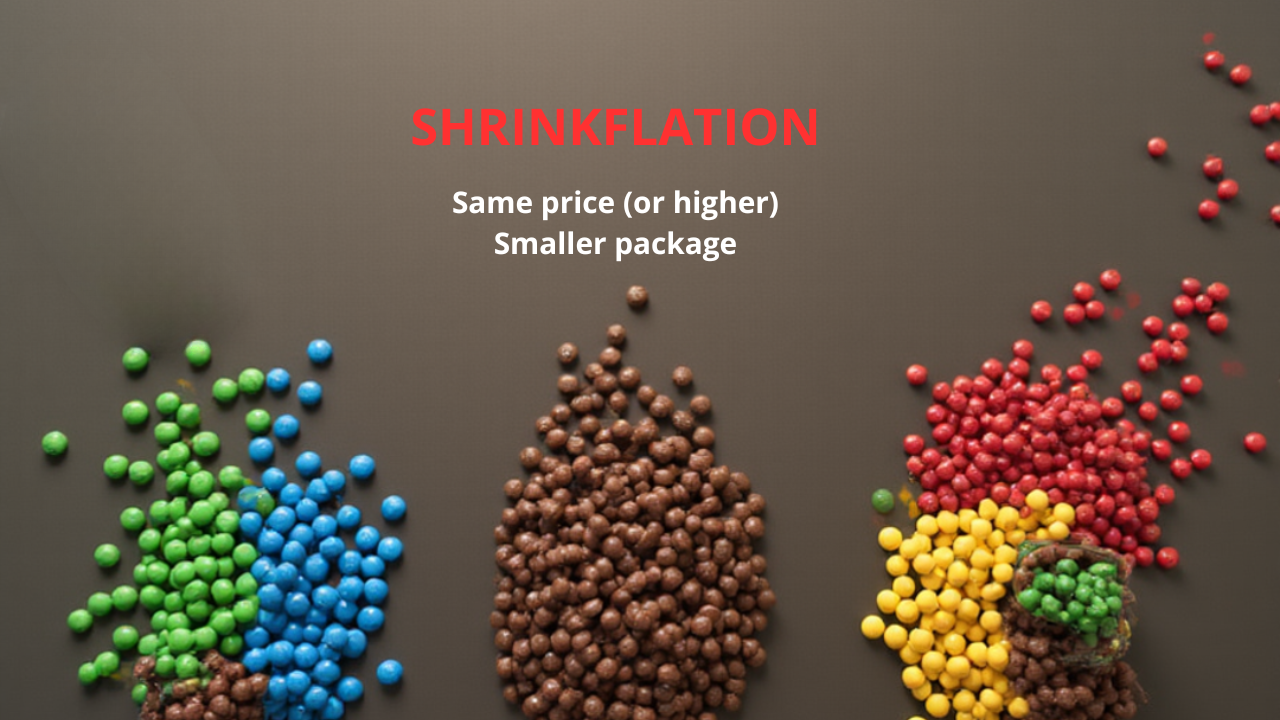
But according to new research, American families are paying significantly more for significantly less, and the strategy behind it may be deliberate.
A six-year study by InvestorsObserver tracked the price and package size of some of America’s most popular grocery brands, including Frosted Flakes, Doritos, M&M’s, Coca-Cola, and Campbell’s, from 2020 to 2026. What the data reveals is a pattern of quiet but compounding cost increases that are hitting household budgets hard.
The Numbers Behind Your Grocery Bill
The headline figure is stark: the average family of four is now spending $741 more per year on the exact same groceries they were buying six years ago.
The increases show up across the board.
A box of Frosted Flakes now costs 51% more per serving than it did in 2020, and there are fewer servings in the box.
M&M’s recorded a 102% price-per-ounce increase over the same period, making it the only product in the analysis to fully double in cost.
Meanwhile, Coca-Cola mini cans now cost 127% more per ounce than the 2-liter bottle of the same product.
A Two-Step Strategy
Perhaps the most striking finding is not the price increases themselves, but the pattern in which they occur.
The data points to what researchers describe as a deliberate two-step approach: brands raise prices first, then shrink the package size roughly a year later, once consumer attention has moved on.
Doritos, Frosted Flakes, and M&M’s all followed this pattern, according to the analysis.
The effect is that consumers face a double hit to their purchasing power, but at intervals spaced far enough apart to avoid drawing scrutiny.
“You Don’t Notice When You Start To Overpay for Less.”
Sam Bourgi, senior analyst at InvestorsObserver, argues that the particular danger of shrinkflation lies in its invisibility compared to other cost-of-living pressures.
No one is surprised by growing prices these days, but the issue with shrinkflation is the silence around it. You can clearly see when gas prices grow or rent rises, but in this case, you don’t notice when you start to overpay for less. It lands hardest on those who can afford the least.”
The research was conducted by InvestorsObserver, an independent financial analysis and investment research firm whose work has been featured by outlets including Reuters, Bloomberg, Yahoo, and The Guardian.
Read More:
- 12 Everyday Items Frugal People Proudly Exclude From Their Shopping List
- The 7 Best Money Borrowing Apps To Help You Through Financial Emergencies
- Retirees Worry Inflation Will Leave Them Hungry
